
Types of Mesothelioma Support Groups
Finding a community of people who understand what you’re going through can be a key source of support if you’re facing mesothelioma. Joining a mesothelioma support group or working with a peer mentor provides emotional comfort, encouragement, and real-world advice.
In-Person Mesothelioma Support Groups
Patients who attend in-person mesothelioma support groups often report that they provide a strong sense of connection and healing.
You can find local mesothelioma support groups through:
- Mesothelioma treatment centers: Many hospitals and cancer centers offer in-house support groups. Ask your care team about available support options.
- The Cancer Support Community: This nonprofit network has 196 locations with professionally led support groups. You can search by city, state, or ZIP code to find a group near you.
- The National Cancer Information Center (NCIC): You can call the NCIC 24/7 at 1-800-227-2345 to get help locating a support group in your area.
Ready to get connected now? Mesothelioma Hope hosts a monthly virtual support group for patients, families, and caregivers. Sign up for our Free Support Group.

Online Mesothelioma Support Groups
Online mesothelioma support groups offer flexibility for patients and caregivers who face mobility challenges, have busy schedules, or prefer to meet virtually.
Many of these groups are hosted on platforms like Zoom, allowing participants to chat with other members and post on forums and discussion boards to get support whenever they need it.
You can find mesothelioma support online through:
- CanCare: This resource offers three support groups hosted on Zoom for caregivers, survivors, and patients battling a stage 4 cancer diagnosis.
- Cancer Survivors Network: Founded by the American Cancer Society (ACS), this peer-based platform lets you join discussion boards and get advice from the wider cancer support community.
- Mesothelioma Applied Research Foundation: The Meso Foundation regularly hosts virtual support groups led by mesothelioma survivors and medical experts.
- MyLifeLine®: This platform allows cancer patients, caregivers, and loved ones to share insights, coping strategies, and inspiration. Licensed mental health professionals moderate themed discussion boards with topics ranging from grief support to treatment side effects.
Virtual groups can be just as powerful as meeting in person, bringing people together from all over to share and support each other.

We have over 25 years of experience helping people who are facing a mesothelioma diagnosis or caring for a loved one who is.
Mesothelioma Support Groups for Caregivers
Caregivers are the backbone of a patient’s mesothelioma care team. They provide strength, love, and tireless dedication day after day. All this effort can be exhausting, so it’s important for caregivers to have a support system of their own.
Trusted mesothelioma support resources for caregivers include:
- American Cancer Society – Caregiver Resources: The ACS provides tips, tools, and emotional support to help caregivers manage the daily challenges of helping a loved one with cancer.
- CancerCare – Spouses/Partners Group: This national organization hosts free 15-week support groups led by licensed social workers to help spouses and partners of cancer patients cope emotionally and connect with others.
- Caregiver Action Network: This nonprofit organization provides education, peer support, and resources to family caregivers across the country free of charge.
- Family Caregiver Alliance (FCA): The FCA offers practical advice and resources to help caregivers balance their responsibilities and care for themselves.
- Grief Share: Through this faith-based organization, caregivers can attend support groups at a local church or online. These meetings help participants process the loss of a loved one through shared experiences and guided discussion.

“Mesothelioma is not a disease to travel alone. Accept outside help. Look for support groups. You’re going to need every tool in your arsenal ready to battle against this disease.”
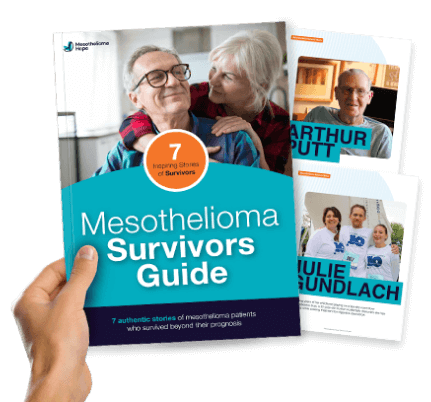
Get our Free Survivors Guide to learn more about what’s helped other patients and their family members find mesothelioma support.
How Do Mesothelioma Support Groups Help?
Mesothelioma support groups help patients, as well as their family, caregivers, and friends, better manage the mental and emotional aspects of a cancer diagnosis.
They’re a safe place to share your feelings and experiences and learn from others who can relate.
Mesothelioma support groups can provide you with:
- Emotional validation: Group support can provide a confidential and judgment-free space to share what you’re going through with other mesothelioma patients and their families.
- Healthy coping skills: Hearing how other people are working through their struggles can give you a new perspective on managing your own.
- Practical information: Support group meetings are usually led by social workers, registered nurses, or other professionals who can provide you with trusted information on treatment options, respite care, mental health services, and other useful resources.
- Social connection: Joining a support group can help you feel less isolated and more connected to others who are also processing the impacts of a mesothelioma diagnosis, either as a patient or a loved one.
Mesothelioma Hope is here to help you connect with mesothelioma support groups in your area. We can provide information on meeting times, locations, and the types of support offered.
Other Types of Mesothelioma Support
Support for mesothelioma patients and families comes in many forms, and there’s no one-size-fits-all approach. What matters most is finding the right resources for your situation.
Other types of mesothelioma support include:
- Caregiver support: Being a mesothelioma caregiver can lead to stress and burnout, so it’s critical to get help with daily activities.
- Emotional support: Counseling and mental health services can help patients and loved ones cope with anxiety, depression, and the daily challenges of living with mesothelioma.
- Faith-based support: This type of support typically includes prayer, counseling, meditation, and spiritual guidance that aligns with your individual beliefs and values.
- Financial assistance: Many families affected by mesothelioma struggle to cover health care expenses, travel costs, and lost wages. Patients and caregivers can pursue financial compensation through asbestos claims, mesothelioma lawsuits, and veterans benefits.
- Grief support: For those coping with loss, grief support and counseling can provide comfort, understanding, and coping tools.
- Peer mentors: An alternative or supplement to support groups is a peer mentorship program, which connects people from similar backgrounds in a 1:1 format for coaching and support.
Mesothelioma Support Organizations
Several trusted organizations offer free mesothelioma support resources for patients and their families. These groups provide services such as legal guidance, treatment navigation, and logistical support.
Mesothelioma Hope
Mesothelioma Hope provides free personalized medical guidance, financial assistance, and emotional support through our team of Patient Advocates.
Some of our support services include:
- Connections with top mesothelioma doctors and treatment centers
- Legal guidance on how to pursue mesothelioma settlements
- Help accessing disability benefits for military veterans
- Support navigating emotional challenges, caregiving, and lifestyle changes
Mesothelioma Applied Research Foundation
The Mesothelioma Applied Research Foundation is a national nonprofit that focuses on advancing research and improving treatment.
The Meso Foundation helps educate patients about the latest treatments and clinical trials. It hosts an annual symposium that allows attendees to hear directly from some of the best cancer specialists in the country.
American Cancer Society
While not mesothelioma-specific, the American Cancer Society offers a wide range of cancer support services that can benefit patients and their families.
Some of these services include transportation assistance and free lodging near cancer centers at multiple Hope Lodge® locations across the country.
Mesothelioma Community Events
Patients and caregivers can find additional mesothelioma support through community awareness events. These fundraisers, walks, and conferences unite people affected by mesothelioma and other asbestos-related diseases.
Asbestos Awareness Weeks
In 2013, the U.S. Senate designated the first week in April as National Asbestos Awareness Week. This is a great time to advocate for Americans exposed to asbestos on the job or during their military service.
The Asbestos Disease Awareness Organization (ADAO) also celebrates Global Asbestos Awareness Week from April 1–7 each year.
Activities include educational campaigns, community events, and remembrance ceremonies for asbestos victims.
Asbestos Awareness and Prevention Conference

The Asbestos Awareness and Prevention Conference, hosted by ADAO, brings together experts, advocates, and community members to discuss the latest developments in asbestos prevention and policy.
The next conference is scheduled for September 14, 2025, in Washington, D.C. It will feature presentations on treatment advancements, legislative updates, and personal stories from people affected by mesothelioma.
International Symposium on Malignant Pleural Mesothelioma

The International Symposium on Malignant Pleural Mesothelioma is a two-day conference started by the Meso Foundation.
The event highlights emerging treatments in mesothelioma clinical trials and allows patients, loved ones, and caregivers to connect with top cancer researchers.
The 2025 symposium will take place on October 25–26 at The Notary Hotel in Philadelphia, Pennsylvania.
Mesothelioma Awareness Day
Mesothelioma Awareness Day has been observed annually on September 26 since 2004.
The Meso Foundation uses this day to heighten public awareness of this cancer through social media and promote third-party fundraising events nationwide that go toward research and treatment.
Miles for Meso 5K and 3K Fun Run/Walk

Miles for Meso allows people of all ages to advocate for mesothelioma patients, honor friends and loved ones who passed away from this cancer, and raise funds for awareness and research.
This annual event is sponsored by Simmons Hanly Conroy, a top mesothelioma law firm and the official legal partner of Mesothelioma Hope.
The next race is scheduled for September 20, 2025, in Alton, Illinois. Miles for Meso also hosts virtual fundraisers. Money raised from these events gets donated to organizations dedicated to mesothelioma research and patient support.
Get Support for Mesothelioma Today
A mesothelioma diagnosis can feel overwhelming, but you don’t have to face it alone.
In addition to the many mesothelioma support groups available to you, our caring Patient Advocates can offer personalized guidance at every point along your journey.
You can count on us to provide:
- A listening ear
- Connections to support groups and peer mentors
- Resources for financial compensation
- Help with finding a doctor or respite care
Call (866) 608-8933 to connect with us and get free support right now.
Mesothelioma Support FAQs
How can I support someone with mesothelioma?
Caring for a loved one with mesothelioma begins by recognizing what they need most — whether it’s emotional comfort, practical help, or guidance through the treatment process.
Here’s how you can support them:
- Encourage care from mesothelioma specialists who understand this rare cancer and offer advanced treatments.
- Explore options such as financial assistance, counseling services, and support groups.
- Help with everyday tasks like preparing meals, household chores, or transportation to medical appointments.
- Listen with empathy and offer consistent emotional support.
If you don’t know where to start, Mesothelioma Hope offers free resources to help you every step of the way.
What’s the best mesothelioma support group?
There’s no single “best” mesothelioma support group. What matters most is finding the one that fits your specific needs.
Some groups focus on sharing treatment experiences, while others are set up specifically for spouses or caregivers.
We can help you find the right mesothelioma support group. Contact us today to speak with a Patient Advocate.
Is there mesothelioma family support?
Yes, there is support specifically for families affected by mesothelioma.
Support for families may include:
- Caregiver support groups
- Counseling and mental health services
- Faith-based and spiritual support
- Financial and legal resources
If you’re supporting someone with mesothelioma, we can help you find the right resources for your situation.



 How We Can Help
