

A mesothelioma diagnosis often brings a wave of questions, new terminology, and uncertainty. Understanding your treatment options — and what the process for each one might look like — can make the experience more manageable.
One helpful way to prepare is to get familiar with the different procedures, recovery timelines, and possible side effects of each treatment option. This knowledge can help reduce anxiety and give you a greater sense of control. It also helps you know which questions to bring to your medical team as you begin treatment.

“Talking openly with your care team about how you feel during mesothelioma treatment is important. It helps them know what’s working well and what might need to be adjusted.”
Here’s an overview of what to expect during treatment for mesothelioma and how you and your caregivers can take an active role in your recovery.
What Patients Can Expect With Each Type of Treatment
Your treatment plan depends on several factors, such as your overall health, age, cancer location, and mesothelioma stage. Most patients receive some combination of surgery, chemotherapy, immunotherapy, and radiation therapy.
Palliative care may also be part of your treatment plan. It focuses on managing symptoms and side effects like pain, fatigue, and breathing issues to help you stay as comfortable as possible throughout treatment.
Mesothelioma Surgery
Surgery is sometimes the first line of treatment if the cancer hasn’t spread to other parts of the body. Not all patients qualify for mesothelioma surgery, and eligibility depends on the cancer stage, tumor location, and overall health.
The three most common surgeries for mesothelioma are:
- Pleurectomy with decortication (P/D): Also used for pleural mesothelioma treatment, a P/D removes the lining of the cancerous lung and any visible tumors. It’s less invasive than an EPP and preserves the lung itself, but it takes much longer.
- Extrapleural pneumonectomy (EPP): This procedure removes the affected lung and nearby tissues in patients with pleural mesothelioma. Sometimes the lining of the heart is also removed. It’s an extensive surgery that can take 3 or more hours to complete.
- Cytoreductive surgery with HIPEC: This procedure is the gold standard for peritoneal mesothelioma. First, cytoreduction (also known as debulking) is performed to remove any visible tumors. Then, heated chemotherapy drugs are applied to the abdominal cavity to kill any remaining cancer cells.
After surgery, you will have routine follow-up visits to check your healing and see how well the surgery worked. While your medical team manages the clinical side of recovery, preparing your home ahead of time can make your day-to-day healing much easier.

“Cook some things up and put them in the freezer so you can microwave them. They’re easy to prepare, so when you come home, your house is 100% ready for someone who’s recovering from a major operation.”
Because treatment recommendations depend on your diagnosis and overall health, working with the right specialist is critical. Use our Free Doctor Match to find local specialists who can explain your options and help create a treatment plan that makes sense for you.

What Is the Recovery Time for Mesothelioma Surgery?
Recovery time for mesothelioma surgery varies for each patient and depends on the procedure. Typically, patients can expect to stay in the hospital for a week or more while doctors and nurses can monitor them for any complications.
The chart below shows estimated recovery times for each type of surgery.
| Surgery | Recovery Time in Hospital | Recovery Time at Home |
|---|---|---|
| EPP (for pleural mesothelioma) | Up to 2 weeks | 6-8 weeks |
| P/D (for pleural mesothelioma) | Up to 2 weeks | 4-8 weeks |
| Cytoreduction with HIPEC (for peritoneal mesothelioma) | Up to 12 days | 8-12 weeks |
Remember that these are only estimates. You should talk with your doctor about your anticipated recovery time.
Chemotherapy
Chemotherapy is the most common treatment for mesothelioma because it may be used whether or not a patient is a candidate for surgery.
Patients can expect each chemotherapy cycle (or round) to follow this general process:
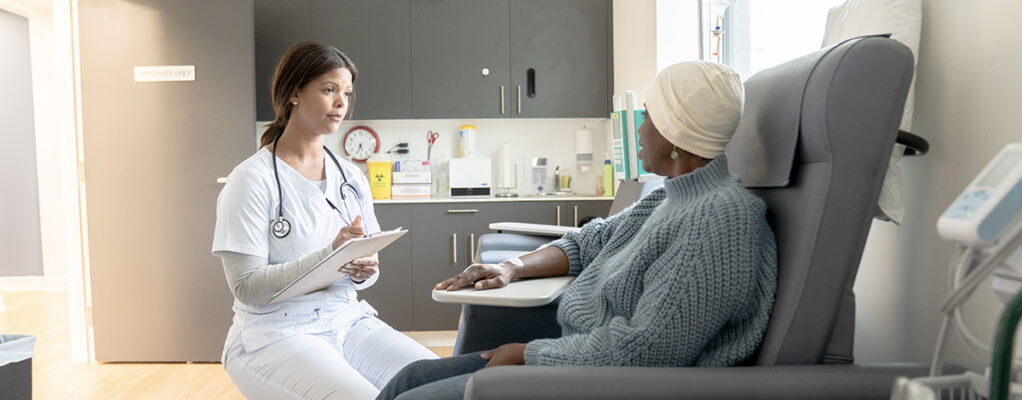
- Treatment: Patients receive a combination of chemotherapy drugs through a needle and tube inserted into a vein for several hours. During this time, a doctor or nurse will monitor the patient’s vital signs and watch for any adverse reactions or side effects.
- Recovery: Over the course of several days or weeks, patients will recover from their treatment session. Patients may experience side effects like nausea and tiredness during this time.
- Repeat: After recovering and resting, patients return to their cancer center for another round of chemotherapy.
Unfortunately, since chemotherapy drugs kill both cancerous and noncancerous (healthy) cells, it is common for patients to have side effects in the period between treatments.
“Chemotherapy can affect people in different ways. Many patients keep a symptom journal to record how they’re feeling so they can share it with their doctors at their next visit.”
Chemotherapy side effects may include fatigue, nausea, changes in appetite, hair loss, weight loss, and a weakened immune system. It’s important to discuss any side effects or concerns with your doctor. They may be able to try other chemotherapy drug combinations or prescribe medications to manage side effects.
How Many Rounds of Chemo Are Needed for Mesothelioma?
Each mesothelioma patient will need a unique chemotherapy treatment plan, but most patients can expect 2-4 rounds of chemotherapy. This means that they will have to repeat the treatment and recovery process at least twice.
Multiple rounds allow doctors to see how the cancer is responding to chemotherapy and consider additional or alternative treatment options. As a result, patients should prepare for multiple follow-up appointments after they complete chemotherapy.
Immunotherapy
Immunotherapy has become one of the most important treatments for mesothelioma in recent years. These medications strengthen the body’s immune system so it can better recognize and destroy cancer cells.
- The first major step forward came when the U.S. Food and Drug Administration (FDA) approved the combination of Opdivo® (nivolumab) and Yervoy® (ipilimumab) for pleural mesothelioma.
- In September 2024, the FDA approved another option: Keytruda® (pembrolizumab) given with pemetrexed and platinum-based chemotherapy.
- The FDA recently approved a new version of Keytruda for mesothelioma that’s given as a quick under-the-skin injection in about 1 minute, allowing patients to avoid the longer IV infusions used in the past.
Possible side effects of immunotherapy include fatigue, nausea, appetite loss, muscle pain, flu-like symptoms, inflammation, and skin rashes. As with any other treatment, patients should expect routine follow-up appointments that may involve blood tests and X-rays to make sure they’re not experiencing any complications.
While Opdivo and Yervoy are the two immunotherapy drugs approved for mainstream mesothelioma treatment, other immunotherapy options and emerging treatments are being studied in clinical trials every year.
Cancer Wellness Habits to Support Your Recovery
Mesothelioma treatment can be physically and emotionally demanding. For this reason, doctors recommend practicing specific wellness habits to help patients cope with and recover from treatment.
Learn more about cancer wellness habits that can aid in your recovery.
Community and Connection
Many mesothelioma survivors note that faith, family, and fellowship with other patients helped them through the toughest moments of their cancer journey.

“The mesothelioma community has afforded me an incredible opportunity to meet others affected by this disease. It is such a gift to be even a small part of their corner of the world.”
Mesothelioma support groups can be a great place for patients looking for a place to start. There are groups that meet online, in person, and over the phone where patients can share experiences, knowledge, and coping skills. These moments of connection can empower patients and help them feel less alone.
Want to connect with others impacted by mesothelioma? Join Mesothelioma Hope’s Virtual Support Group to find community, ask questions, and share your experience.
Diet and Nutrition
Treatment side effects like appetite loss, nausea, and vomiting can make it incredibly difficult to get the fuel your body needs. This can make fatigue and weakness even worse and not allow your body to recover.
Our mesothelioma nurse, Liz Logan, shares these 5 diet and nutrition tips:
- Ask for a referral to a nutritionist or dietitian during your next oncology appointment.
- Consume food and drinks at room temperature to avoid nausea.
- Increase your protein intake to help your body heal and build muscle.
- Replace 3 large meals with 6-8 smaller, low-fat meals each day.
- Try eating spicy foods or hard candy to stimulate your salivary glands, which can help with appetite.
Pleural mesothelioma survivor Arthur “Art” Putt experienced throat pain and irritation after chemotherapy and immunotherapy. But with a careful nutrient-focused approach, he was able to heal.

“At one time, doctors told me I’d never eat solid food again, but we showed them wrong.”
Additionally, a nutritious mesothelioma diet that incorporates immune-boosting and anti-inflammatory foods can help support recovery and make you feel more comfortable after treatment.
Gentle Movement
Body pain and fatigue after treatment can make it difficult to move and complete daily activities. However, even just a few minutes of gentle exercise can improve blood flow, strengthen the immune system, and help the body bounce back after treatment.
Some gentle activities for mesothelioma patients include:
- Chair exercises
- Short walks
- Stretching
- Yoga
Talk with your mesothelioma doctor before starting any new activity. They can guide you on what level of movement is safe at each stage of treatment.
Mental Health Support
Depression impacts 1 in 4 cancer patients, according to the American Cancer Society. Mesothelioma patients may be at an even greater risk of depression and anxiety because of the aggressive nature of the disease.
From diagnosis to treatment and recovery, it’s important to be mindful of your mental health. Don’t feel ashamed or embarrassed to ask for help. Many cancer treatment centers have in-house therapists and counselors or can refer you to someone who can help.
Most importantly, remember that you are not alone. Talking about your feelings with someone you trust can reduce your stress and help you cope.
How Caregivers Can Support Their Loved Ones’ Healing
Family and friends are a crucial part of mesothelioma treatment. With their support, mesothelioma patients can feel more empowered and hopeful throughout their treatment and recovery journey.
Here are some specific ways caregivers can help a loved one after mesothelioma treatment:
- Encourage them to remain hopeful.
- Help administer their medications if needed.
- Look out for any severe side effects.
- Prepare nutritious food based on their doctor’s recommendations.
- Seek out mental health and mesothelioma support groups.
- Spend quality time with them.
- Advocate for them during follow-up appointments and ask questions.
Additionally, it’s important for mesothelioma caregivers to take care of themselves so they can care for their loved ones. Remember: it’s okay to ask for help.
“Be there for the person with the illness. As hard as it is to think of them not being around, it’s most definitely harder on them to go through this major challenge, and they need someone to lean on.”
– Matt Litton, son of 16+ year mesothelioma survivor Jill Litton
Get Help at Every Step of Your Mesothelioma Journey
A mesothelioma diagnosis can be devastating, but surgery, chemotherapy, immunotherapy, and other treatments offer hope. Some survivors have lived 20 years or more with mesothelioma treatment.
Mesothelioma Hope is committed to helping you and your family at every step of the treatment process.
Call (866) 608-8933 to reach one of our Patient Advocates right now for personalized guidance and support.