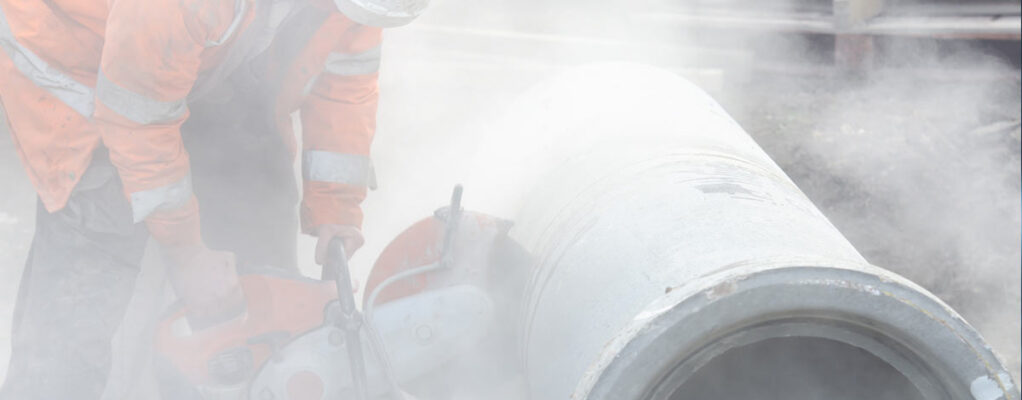


Since the dangers of asbestos have become widely recognized, the Occupational Safety and Health Administration (OSHA) has put strict rules in place to protect workers from exposure.
Asbestos can cause mesothelioma, lung cancer, and other serious diseases, often decades after exposure occurs. More than 1.3 million U.S. workers still face asbestos exposure risks today, especially those in construction, maintenance, and industrial jobs.
Both federal and state regulations require workplaces to measure the amount of asbestos present and keep employees safe. Unfortunately, some employers don’t always follow these safety guidelines, putting workers at risk of serious health consequences.
Learn about OSHA’s asbestos standards, your rights as a worker, and how Mesothelioma Hope can help if you’ve been diagnosed with an illness from occupational asbestos exposure.
What Are the OSHA Rules Concerning Asbestos?
OSHA has several sets of standards to protect workers from asbestos exposure, which could still occur today in high-risk workplaces like construction sites, auto repair shops, and shipyards.
OSHA’s worksite protections for asbestos include:
- Assessment and monitoring: Workplaces must determine if any of their employees’ job duties will cause asbestos fibers to become airborne. If so, the employer must perform routine monitoring to ensure exposure stays within the legal limit.
- Exposure limits: OSHA’s permissible exposure limit for asbestos is no more than an average of 0.1 fibers per cubic centimeter over an 8-hour period. The excursion limit (EL) is less than 1 asbestos fiber per cubic centimeter over a 30-minute period.
- Hazard communication and personal protective equipment: Employers must clearly warn employees when asbestos is present and provide protective equipment. Respirators must be fit-tested, and simple dust masks aren’t approved for asbestos protection.
- Recordkeeping: Employers must keep copies of all tests documenting levels of asbestos and surveys tracking workers’ medical conditions possibly linked to their occupation for at least 30 years.
- Separate and safe break areas: Job sites that require work with asbestos must provide a break area that is separate from the work area and hygiene stations to reduce the risk of contamination.
These standards protect workers in all 50 states. Some states have their own OSHA-approved state plans, which may include more specific regulations than federal OSHA rules. Check with your local OSHA office for the asbestos regulations in your area.
Keep in mind, however, that there is no safe level of exposure to asbestos, meaning even one fiber can cause damage to the body’s sensitive tissues.
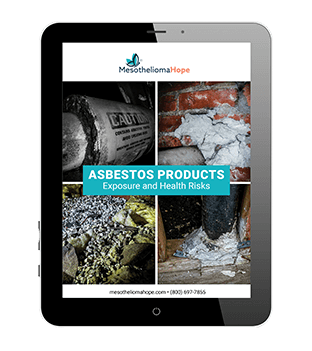
Download our Free Asbestos Products Guide to learn more about the health hazards of asbestos and what you can do if you or a loved one was exposed.
What Are My Rights as a Worker?
Under OSHA regulations, you have the right to a safe workplace that doesn’t put you at risk of serious injury or illness. This includes protection from asbestos and other toxic materials.
You also have the right to:
- Access records of hazard measurements, work-related illnesses, and injuries
- File a confidential complaint with OSHA and request a workplace inspection for safety hazards without fear of retaliation
- Obtain regular training and information about workplace hazards and ways to prevent dangerous exposures
- Receive proper safety gear and personal protective equipment (PPE)
If you’re concerned about your health and safety on the job or that your employer isn’t following OSHA asbestos standards, consider reporting it.
In 2024, OSHA issued 2,470 citations for violations of the Respiratory Protection Standard, according to the National Association of Home Builders. These violations often include failure to protect workers from airborne contaminants such as asbestos.
How Do I Complain About Asbestos to OSHA?
To file a complaint with OSHA about health-related concerns or an unsafe workplace, you should contact your local office as soon as possible.
You can file a complaint by:
- Calling your local OSHA office
- Completing an online complaint form on the OSHA website
- Sending a completed OSHA complaint form via email, fax, or U.S. mail
- Visiting your local OSHA office in person
Reporting potential asbestos hazards helps protect not only you but also your family, since asbestos fibers can cling to clothing or equipment and expose loved ones through secondhand contact.
Coming forward can feel stressful, especially if you fear retaliation at work. However, OSHA will keep your identity confidential if you ask, and your employer is not allowed to punish you for reporting unsafe working conditions.
How We Can Help Workers Diagnosed With Mesothelioma
For decades, asbestos product manufacturers hid the dangers of asbestos, exposing millions of dedicated workers to this devastating cancer-causing substance. We’ve seen firsthand how thousands of families have been hurt by mesothelioma through no fault of their own.
If you or someone you love has been diagnosed with mesothelioma from working with or around asbestos, you don’t have to walk this path alone.
Mesothelioma Hope’s nurses and Patient Advocates can help you:
- Understand your diagnosis and treatment options
- Connect with top mesothelioma specialists and cancer centers
- Access financial assistance from legal claims and VA benefits
- Find emotional and practical support services for you and your family
Get the compassionate support you deserve by calling (866) 608-8933 or filling out our contact form today.