-
Address
3800 Reservoir Rd NW
Washington, DC 20007 - Thoracic Medical Oncologist Dr. Joshua Reuss

Talk to our team about starting treatment at this cancer center
Call Today at: (866) 608-8933
Connect with our Patient Advocates for personalized support.
Call Us Contact Us
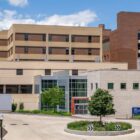
Georgetown Lombardi Comprehensive Cancer Center in Washington, D.C., offers advanced mesothelioma care supported by leading research, a collaborative care team, and access to clinical trials. Get connected with Georgetown Lombardi mesothelioma specialists today.
Talk to our team about starting treatment at this cancer center
Call Today at: (866) 608-8933
Georgetown’s Lombardi Comprehensive Cancer Center is part of Georgetown University Medical Center. It works closely with MedStar Health to deliver high-quality cancer care for mesothelioma throughout the Washington, D.C., region. It’s also the only National Cancer Institute-designated Comprehensive Cancer Center in the area, which speaks to its leadership in research, education, and patient care.
Since its founding in 1970, Georgetown Lombardi has focused on combining advanced science with cura personalis, a commitment to caring for the whole person. This approach guides treatment, support, and communication throughout each patient’s journey.
Specialists at Lombardi study new therapies, targeted treatments, and biomarkers that help personalize care. Its partnership with MedStar Health connects research to everyday patient treatment so more people can access innovative therapies for rare cancers like mesothelioma.
At Georgetown Lombardi, you get care from experts at Georgetown University and MedStar Health who focus on mesothelioma and lung cancer. The team works together to provide the best care plans possible.
Expert mesothelioma doctors include:
Your wider care team may also include radiation oncologists who use radiation to treat tumors and ease symptoms.
Use our Free Doctor Match to connect with mesothelioma specialists at Georgetown Lombardi and other top centers.
At Georgetown Lombardi, every mesothelioma treatment plan is developed for your unique needs. The type of care you receive depends on your diagnosis, cancer stage, and overall health.
Surgery can help when mesothelioma is found early and can be removed safely. At Georgetown Lombardi, surgeons may perform pleurectomy with decortication (P/D) or extrapleural pneumonectomy (EPP) for pleural mesothelioma.
For peritoneal mesothelioma, doctors may use cytoreductive surgery with hyperthermic intraperitoneal chemotherapy (HIPEC). This procedure removes visible tumors and treats the abdomen with a heated chemotherapy solution to destroy remaining cancer cells.
Before surgery, your medical team will check your tumor size, spread, and your overall health. The goal is to remove as much cancer as possible while allowing you to recover safely and maintain a good quality of life.
Chemotherapy uses powerful medications to kill cancer cells throughout the body. For mesothelioma, the standard drug combination is pemetrexed (Alimta®) with cisplatin.
Doctors may administer chemotherapy before surgery to shrink tumors or after surgery to destroy any remaining cancer cells. It’s also commonly combined with other treatments to improve overall results.
Because mesothelioma can spread quickly, chemotherapy is especially important for treating the whole body, reaching both visible tumors and cancer cells that are too small to detect.
Immunotherapy works by helping your immune system recognize and attack cancer cells. Georgetown researchers continue to study how immunotherapy drugs can benefit people with mesothelioma.
A recent clinical trial showed that giving immunotherapy both before and after surgery for pleural mesothelioma may help patients live longer. Nivolumab (Opdivo®) and ipilimumab (Yervoy®) are also recommended first-line treatments for patients who are not candidates for surgery.
Immunotherapy is often offered through clinical trials or used alongside other treatments to destroy as much of the cancer as possible.
Radiation therapy uses high-energy beams to slow or stop the growth of cancer cells. It’s often given after surgery or used to relieve symptoms such as pain or breathing problems. Your mesothelioma care team will carefully plan the dose and schedule of your radiation therapy to meet your specific needs.
At Georgetown Lombardi, radiation oncologists use advanced imaging and precision technology to treat tumors while protecting as much healthy tissue as possible. Radiation may also be combined with surgery or chemotherapy to improve comfort and better control tumor growth.
Palliative care focuses on easing symptoms such as pain, shortness of breath, and fatigue. Doctors can use different palliative care procedures depending on the unique needs of the patient.
Many patients receive thoracentesis to drain excess fluid around the lungs or paracentesis to remove fluid from the abdomen. Pain management medications, nerve blocks, or other interventions may also be used.
At Georgetown Lombardi, palliative care is introduced early in the treatment process to help you stay as comfortable as possible.
Additional supportive options, such as diet and nutrition services, physical therapy, and mental health counseling, can help you remain active, manage stress, and improve your quality of life during treatment.
Download our Free Questions to Ask Your Doctor Checklist to help you prepare for your next mesothelioma visit.
At Lombardi Comprehensive Cancer Center, patients and caregivers have access to a wide range of support services designed to help manage the physical, emotional, and practical challenges of mesothelioma. These are integrated into the treatment process so individuals receive guidance and assistance alongside their medical care.
Georgetown Lombardi support services include:
Caregivers can also access counseling, support groups, and resources that address stress, decision-making, and long-term planning. Financial counselors are available to review insurance coverage and expected costs, helping families prepare for treatment-related expenses.
These services work together to support comfort, well-being, and quality of life for both patients and the people who care for them.
As an NCI-designated Comprehensive Cancer Center, Georgetown Lombardi leads and participates in clinical trials designed to improve mesothelioma treatment. This research gives patients access to new therapies that may not be available elsewhere.
Current studies are exploring:
A recent study at Georgetown tested the addition of immunotherapy before and after surgery for pleural mesothelioma and showed strong early results. Your doctor can help determine whether a clinical trial fits your diagnosis and treatment goals.
Find out if you qualify for a mesothelioma clinical trial. Use our Free Doctor Match to get started.
If you or a loved one has mesothelioma and lives in Washington, D.C., or the surrounding region, Lombardi Comprehensive Cancer Center provides access to specialists experienced in diagnosing and treating this disease.
The team offers personalized treatment plans that may include surgery, chemotherapy, radiation therapy, and immunotherapy. Patients also receive access to clinical trials, supportive services, and care plans that focus on comfort and quality of life.
Mesothelioma Hope can help you connect with Georgetown Lombardi and other top cancer centers nationwide. Call (866) 608-8933 or use our Free Doctor Match now to get started.
Mesothelioma Hope has no affiliation with and is not endorsed or sponsored by Georgetown Lombardi Comprehensive Cancer Center. Any contact information listed is for informational purposes only. You have the right to contact Georgetown Lombardi Comprehensive Cancer Center directly.
 Written by:Laura Wright
Laura Wright is a journalist and content strategist with more than 17 years of professional experience. She attended college at the University of Florida, graduating magna cum laude with a bachelor’s degree in journalism in 2008. Her writing has been featured in The Gainesville Sun and other regional publications throughout Florida.


Connect with top mesothelioma specialists near you.
See the 14 questions you should ask your mesothelioma doctor.
Mesothelioma Hope is passionate about helping patients and families affected by this aggressive cancer. A mesothelioma diagnosis can be scary and isolating, but we’re here for you at every step. Hope is only a phone call away.
(866) 608-8933


 How We Can Help