

Baylor College of Medicine and Duke University have launched a clinical trial to see if combining chemotherapy and immunotherapy before and after surgery can improve survival in patients with mesothelioma. This treatment approach, known as chemoimmunotherapy, uses chemotherapy drugs to shrink tumors while immunotherapy helps the immune system recognize and attack cancer cells.
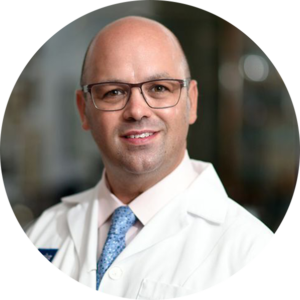
“Patients will undergo three cycles of treatment and then have surgery. Post-surgery, they will continue immunotherapy for one year.”
Mesothelioma is a rare and aggressive cancer caused by asbestos exposure. Because symptoms can be mistaken for those of other conditions, the disease usually isn’t diagnosed until it’s in the later stages and harder to treat. This is why the average 5-year survival rate is just 10%.
In recent years, however, mesothelioma immunotherapy has helped many patients live longer, with 3-year survival rates rising to about 23%. Mesothelioma specialists at Baylor and Duke are now building on that progress by testing whether chemotherapy can enhance survival when combined with immunotherapy and surgery.

More About This New Mesothelioma Trial
The study is being led by Dr. Taylor Ripley of the Baylor College of Medicine, along with Dr. Jeff Clarke and Dr. David Harpole of Duke Cancer Center. Together, they are testing whether adding chemotherapy to immunotherapy before surgery can improve long-term outcomes for patients with pleural mesothelioma, the most common type of this cancer.
The trial is designed to include 52 patients between the two treatment centers. Each participant will go through a detailed evaluation to confirm that their cancer can be removed surgically and that they are healthy enough to tolerate the combined treatments.
Once enrolled, patients will be randomly assigned to one of two groups:
- Immunotherapy group: These patients will receive two immune checkpoint inhibitors, tremelimumab (Imfinzi®) and durvalumab (Imjudo®). These medicines work by teaching the immune system how to destroy mesothelioma cells.
- Chemoimmunotherapy group: Patients in this group will receive the same two immunotherapy drugs plus the two chemotherapy drugs cisplatin and pemetrexed. Chemotherapy directly attacks and weakens cancer cells, which may make it easier for immunotherapy to work more effectively.
Both groups will receive three cycles of treatment before surgery. After surgery, all patients will continue immunotherapy for one year to help reduce the risk of the cancer coming back. Researchers will carefully track survival rates and treatment side effects to see if chemoimmunotherapy leads to stronger results compared to immunotherapy alone.
If successful, the trial could set a new standard of care for patients whose mesothelioma can be removed surgically.
A Patient’s Story: William Donchig
One of the first patients to enroll in the trial was William Donchig, who was diagnosed with stage 3 pleural mesothelioma after noticing his right lung repeatedly filled with fluid.
“I felt good, except my right lung kept filling up with fluid,” Donchig said. “I couldn’t breathe well, and an X-ray confirmed the problem.”
Donchig received three cycles of chemotherapy before undergoing surgery. He is now on immunotherapy every three weeks for a year as part of the study protocol. By joining the trial, Donchig not only gained access to advanced treatments but also contributed to research that could change mesothelioma care for future patients.
How Mesothelioma Hope Can Help You Enroll
If you or someone you love has been diagnosed with mesothelioma, you may qualify for the Baylor/Duke trial. Participating in a clinical study can give you access to emerging treatments at little or no cost to you.
Mesothelioma Hope’s team of nurses and Patient Advocates can help you:
- Understand the details of the Baylor/Duke trial
- Determine if you meet the eligibility requirements
- Connect with the trial coordinators to begin the enrollment process
- Get matched with other active trials in your area if this one isn’t the right fit
We’re here to answer your questions and guide you through every step. Call (866) 608-8933 now to get started.